Here’s what’s at risk if the Pentagon’s $350B reconciliation gambit fails
Congress has teed up a second reconciliation bill with immigration enforcement money, but future reconciliation funds for defense remain nebulous.
Overall, the Army, Navy and Air Force included about $3 billion in unfunded requests, all for military construction projects. US Southern Command included $229.9 million in its wishlist.
The request comes as the P-8A Poseidon Increment 3 Block 2 system recently reached initial operating capability.
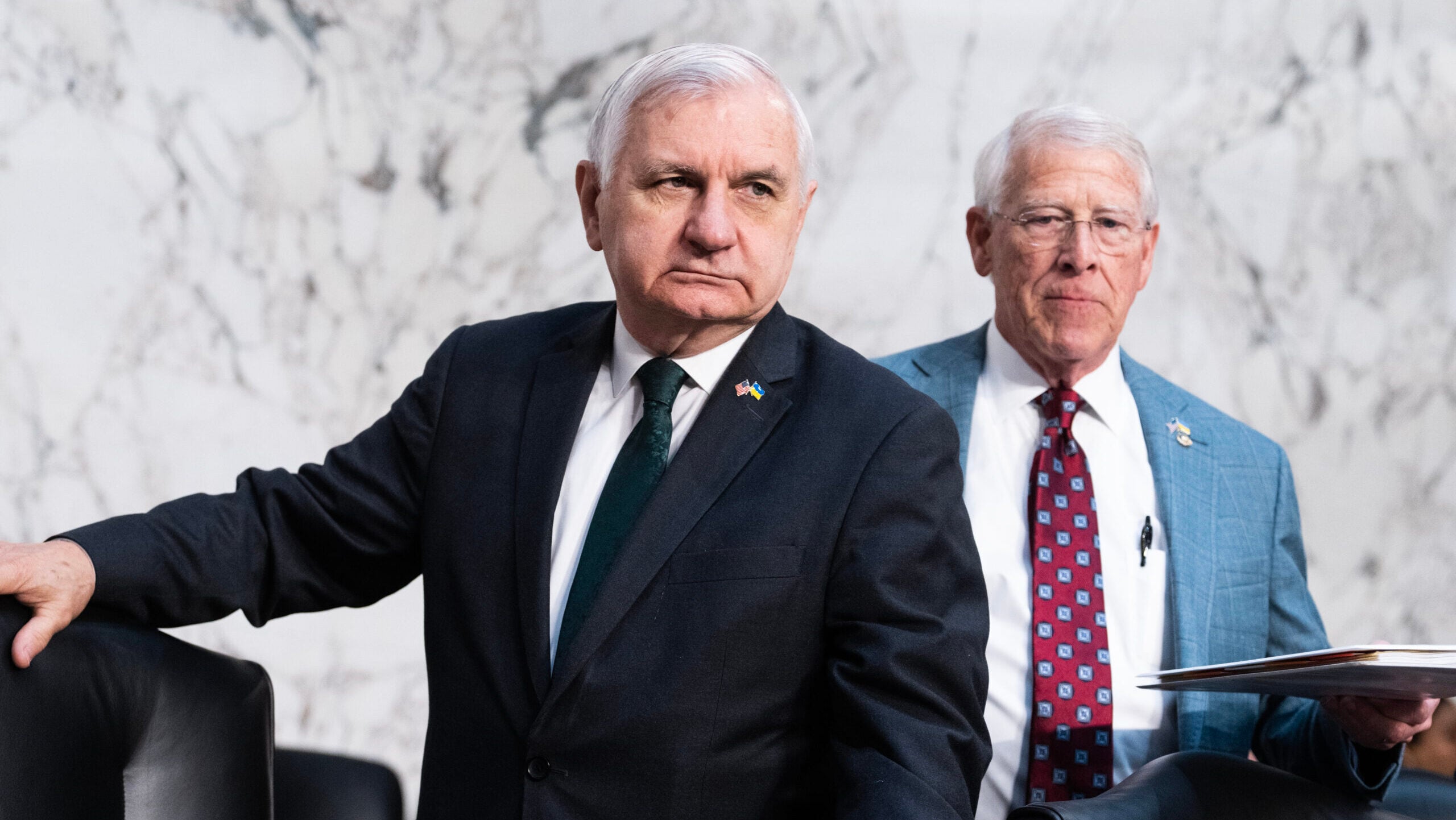
“Why do we suddenly have a two part budget where this committee and the Congress generally has oversight and input, to a process where a corner of the budget is essentially a slush fund?” asked Sen. Angus King, I-Maine, during a SASC hearing.
The Army's FY27 budget request allows faster fielding and continued experimentation on key electronic warfare and signals intelligence capabilities.
Members of the House Armed Services Committee also pressed Defense Secretary Pete Hegseth on the recent firing of Army and Navy leaders.
US Space Command's plan to ask for no additional FY27 funds follows a similar move by US Indo-Pacific Command.
With nearly 30,000 copies envisioned, even among a spending spree for munitions, the Air Force’s Family of Affordable Mass Missile stands out.
The Defense Department stated in a legislative proposal that it will likely spend about $50 million in fiscal 2026 to get the ball rolling on a name change.
“We're making them put skin in the game … and we expect them to meet the ramp rates that they agree to. And, if they don't, there'll be penalties for them,” said Jules “Jay” Hurst, who is performing the duties of the Pentagon comptroller.
INDOPACOM Commander Adm. Samuel Paparo's comments come as the department begins detailing plans to spend $12 billion next year for the Pacific Deterrence Initiative.
A project previously called MILNET will now be funded in a budget line labeled “proliferated LEO SATCOM,” which the Space Force is seeking $1.6 billion in reconciliation funding to kick off.
“The Army is in the midst of its most significant modernization in over 40 years,” Maj. Gen. Rebecca McElwain, director of the Army budget, told reporters during the Pentagon’s budget rollout Tuesday. “This involves developing and fielding new capabilities while adapting formations, training and concepts to the character of modern warfare.”
The service’s fiscal 2027 budget shows boosts for other aircraft like the F-35 Joint Strike Fighter, while slowing retirements of platforms like the A-10 Warthog.